Opening Doors
Building a Jail-Based Learning Lab at the St. Louis City Justice Center
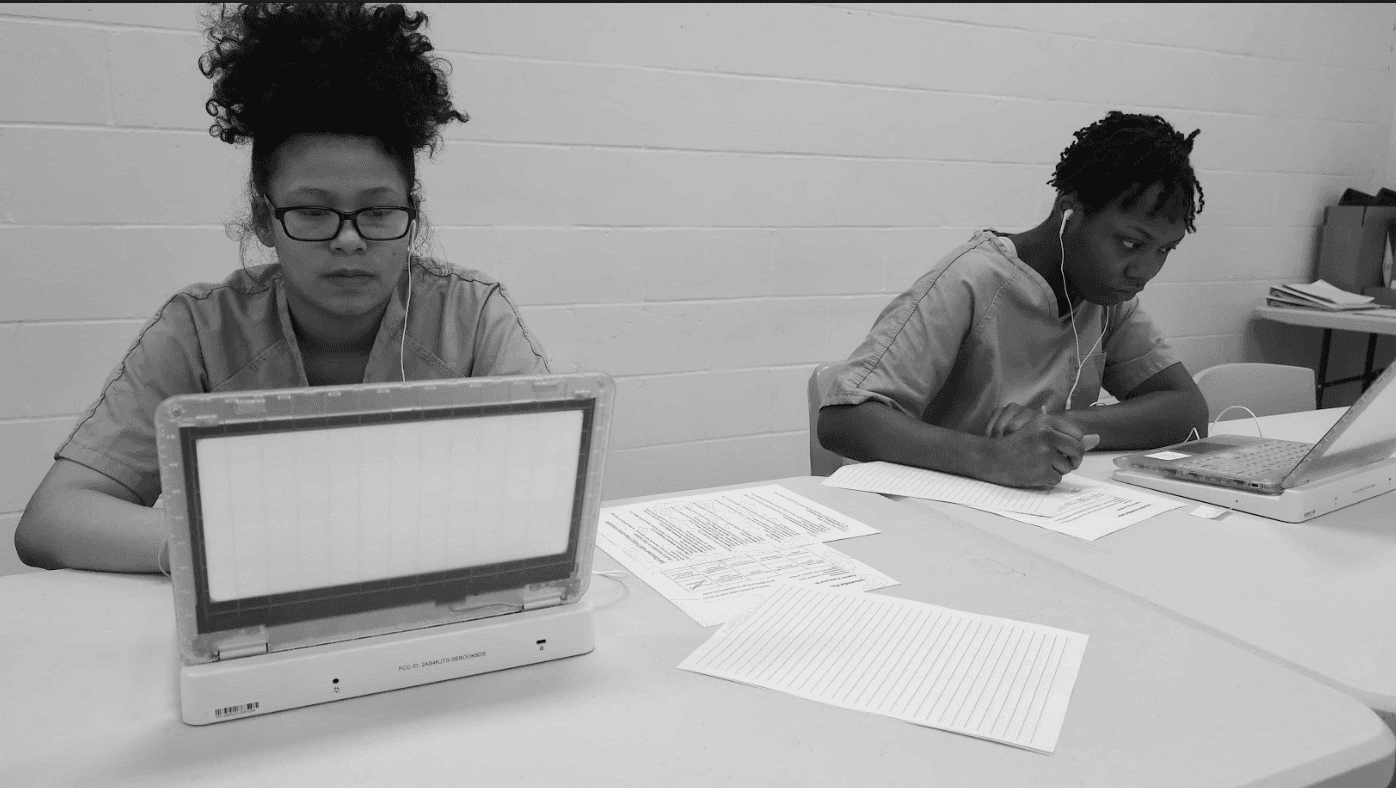
When residents first logged into computers inside the St. Louis City Justice Center (CJC), they were not entering a traditional classroom.
The pilot was intentionally limited in scope: it served residents housed in the women's unit, a decision made with facility staff because that population was smaller and operationally easier to support during an initial launch. There were no external tutors yet, no formal GED instructors assigned to the lab, and no college partners delivering courses on site.
At the time of launch, women at CJC did not have access to a GED program—creating an additional gap the pilot helped partially address. The central question was practical:
Could a self-directed, tightly controlled digital learning environment operate safely inside a jail, and could it begin expanding educational access even before formal programs arrived?
For Unlocked Labs, CJC became a proving ground for an infrastructure-first approach now informing national field-building efforts.
The Setting
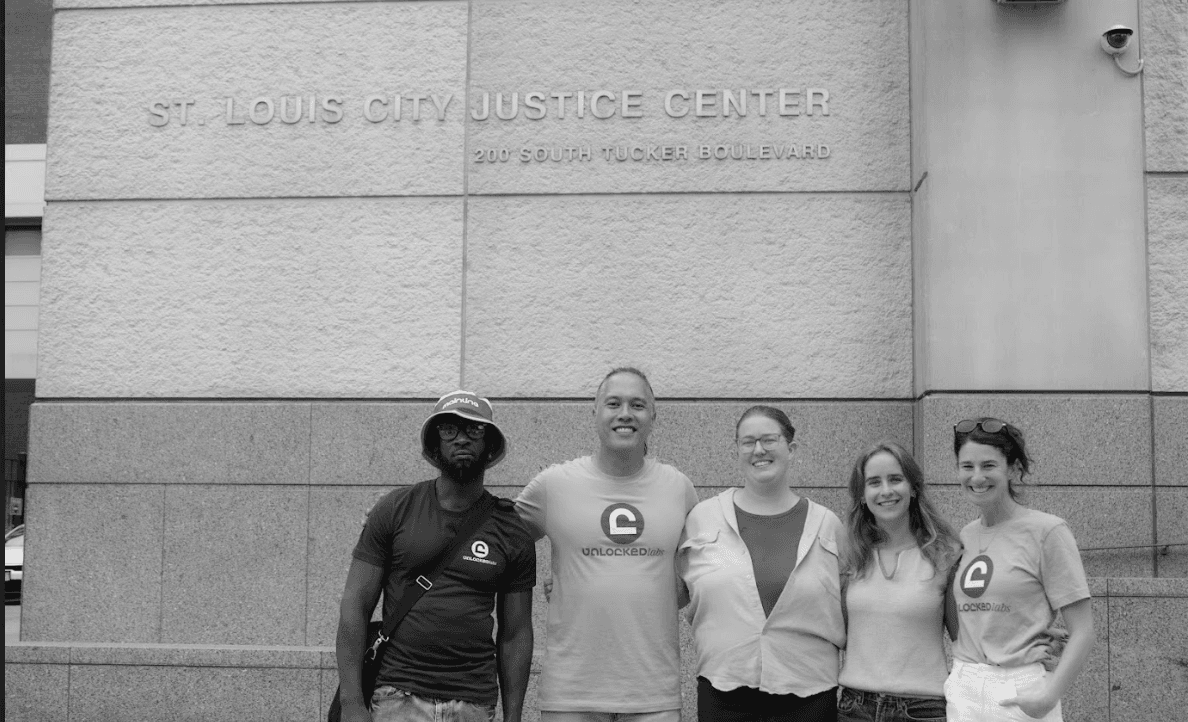
CJC is a large, urban jail with frequent population turnover and constant operational pressures. Schedules shift quickly. Housing assignments change. Program space is limited.
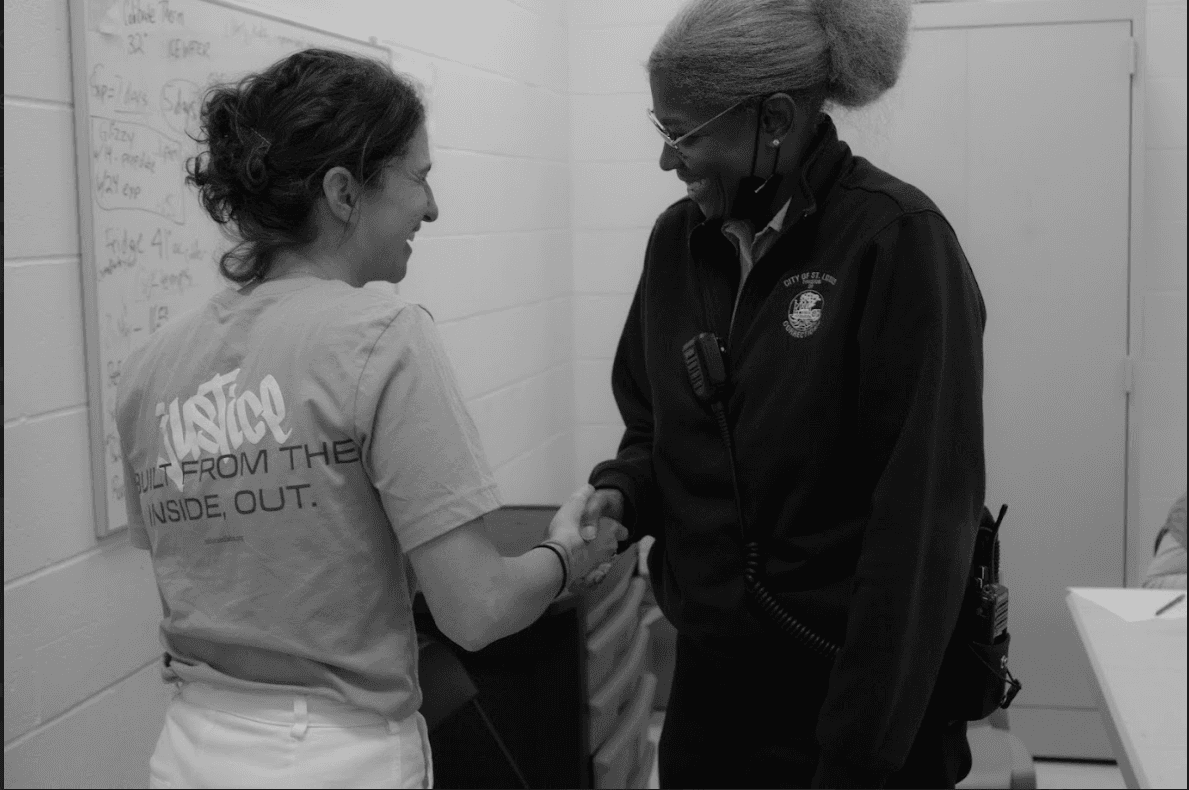
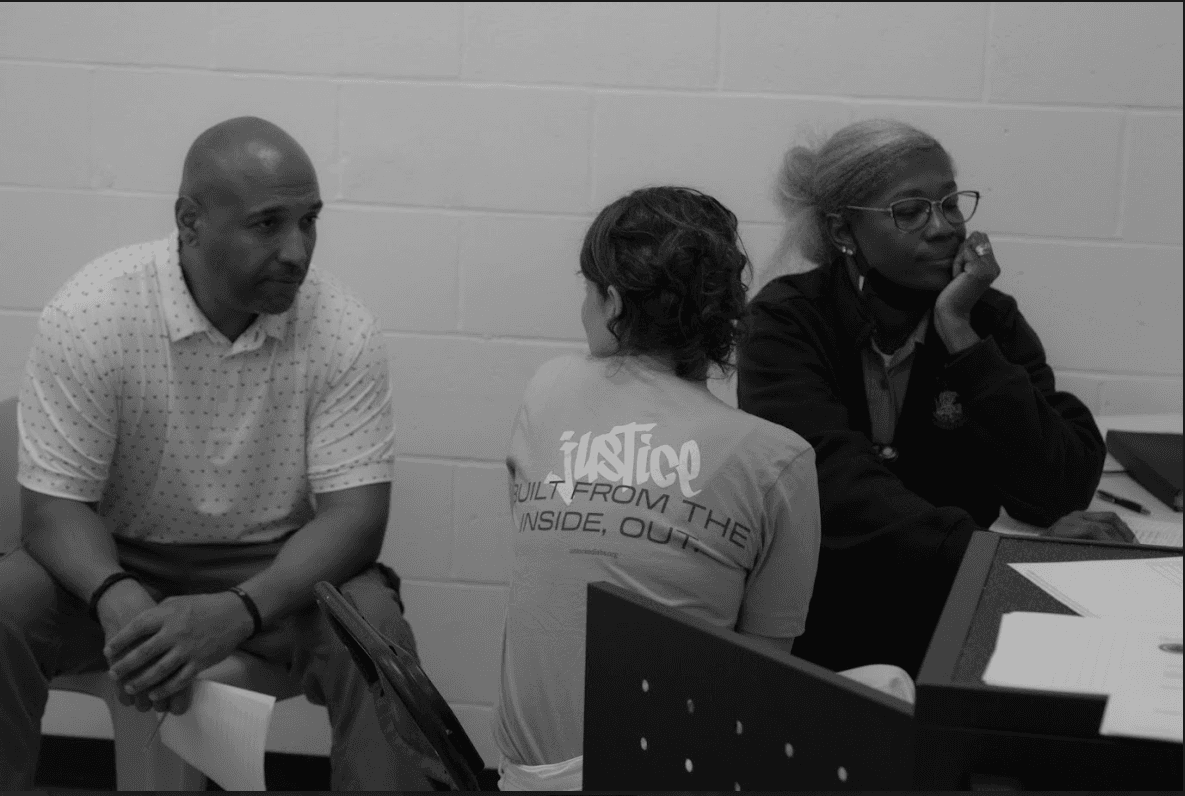
The pilot was located within the women's housing area and required close coordination with custody staff, IT leadership, and facility administrators to fit within existing movement schedules and staffing capacity.
Rather than designing an idealized program, the lab was shaped around the realities of jail operations.
Why the Lab Mattered
Digital access is now foundational to nearly every pathway after release: applying for jobs, enrolling in education, navigating benefits systems, or building résumés.
Because outside internet access was not permitted, the lab was built as a closed educational environment:
- residents accessed learning materials only through stlouis.unlockedlabs.org
- instructional videos and learning resources were hosted directly on the platform
- large offline libraries were maintained through a local Kiwix server
- sessions were supervised under facility rules
This architecture allowed residents to practice real digital skills—typing, navigating learning platforms, exploring career pathways, and engaging with academic content—without introducing open web access.
What It Took to Launch
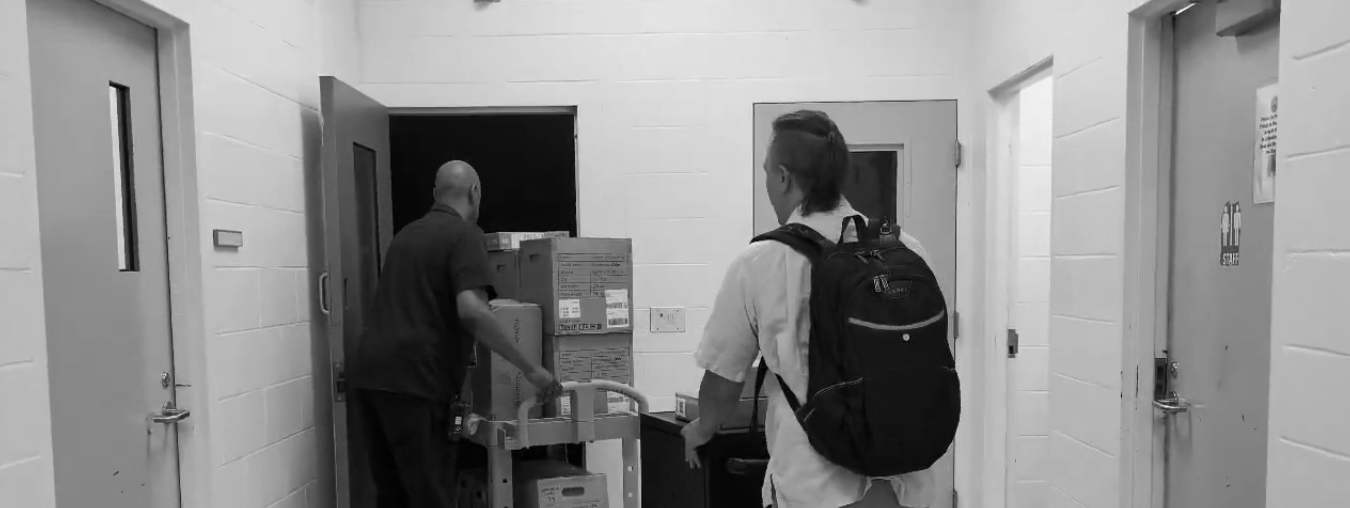
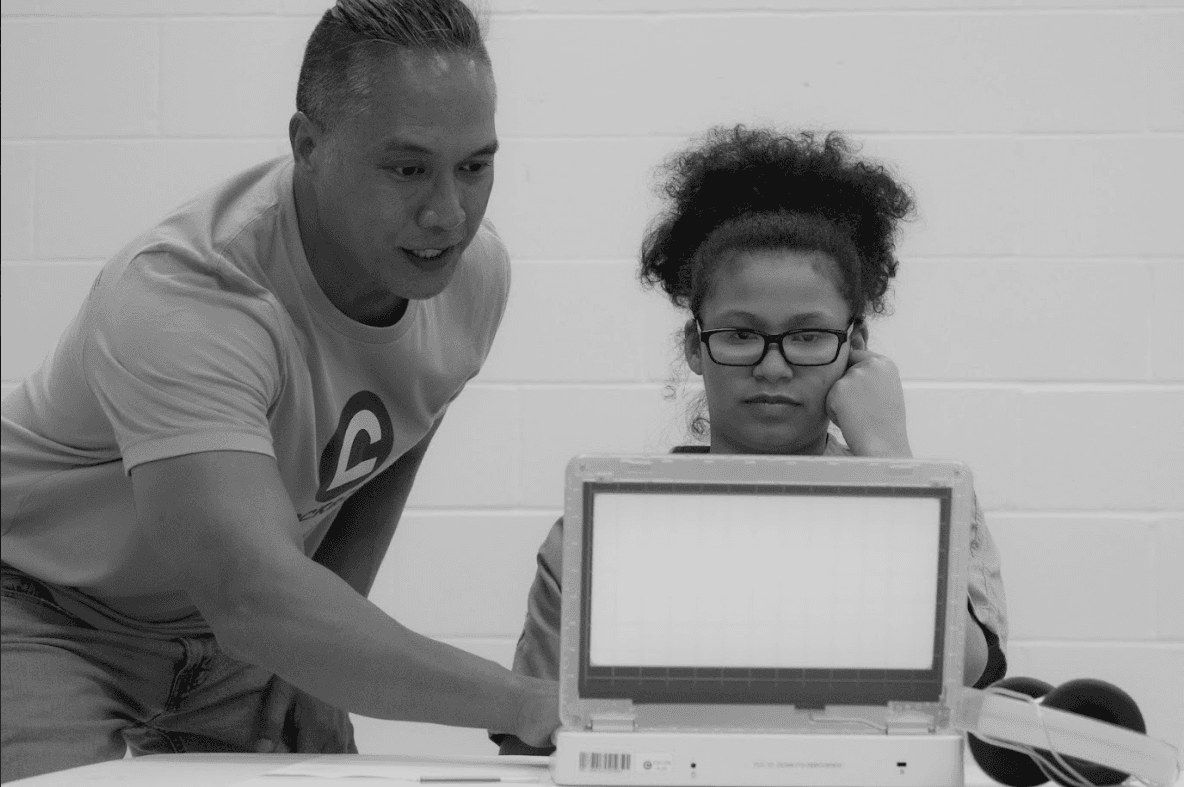
Launching the lab meant building core infrastructure in a place where no comparable learning space previously existed for this population.
That included:
- durable, secure hardware
- internal content hosting
- offline digital libraries
- written procedures for device use and supervision
- staff coverage aligned with housing-unit schedules
The pilot was not designed to replace future GED or college programs. Instead, it tested whether a stable digital foundation could be created first—so educators could later plug into something that already worked.
Early Signals from Residents
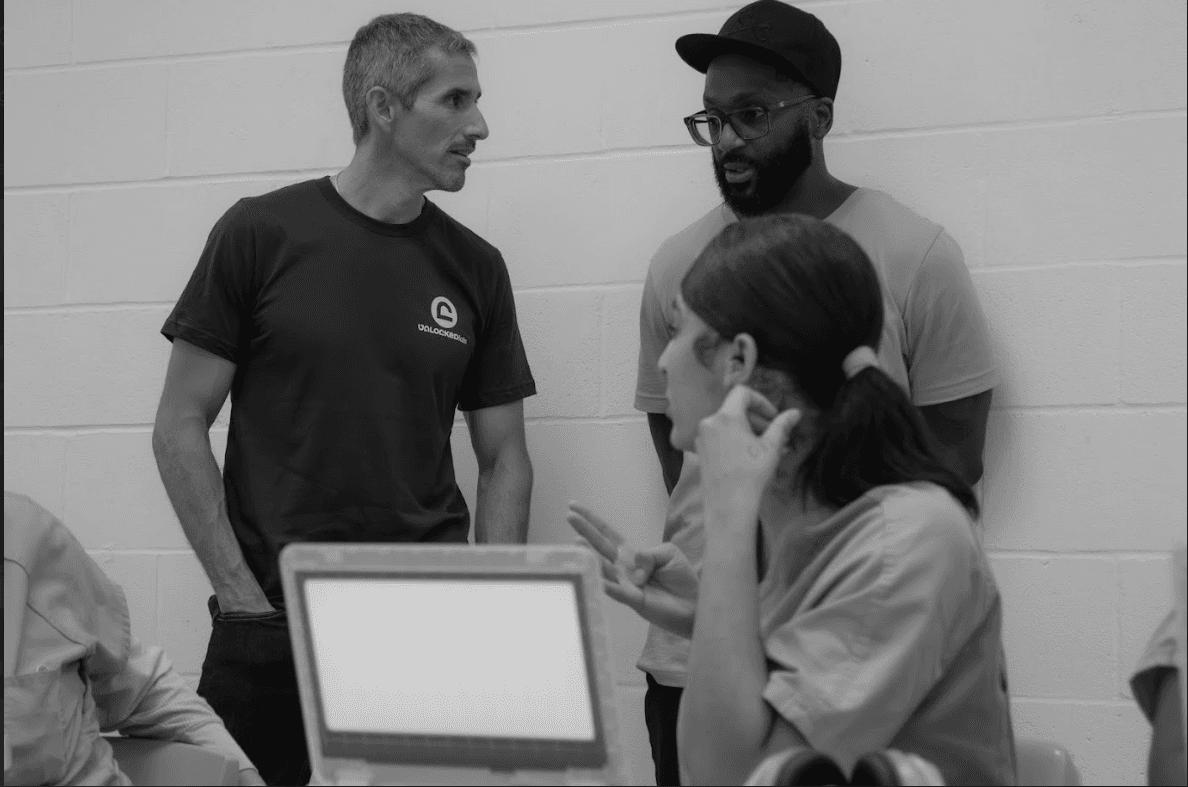
Participant surveys provided early indicators of impact.
Among residents who used the lab:
- 87% reported feeling optimistic about the future
- 77% said they felt hopeful
- 87% felt good about themselves
- 87% said they were building new skills
- 84% felt they were growing and improving
- over 90% reported having plans and goals after release
- over 90% believed they had skills to help them avoid returning to jail or prison
Connection-to-others scores were more mixed—reflecting the fact that, without facilitated classes or cohort-based instruction, the lab primarily supported individual learning rather than group-based programming.
Press Coverage
The CJC pilot has been featured in local and national media, highlighting how secure digital learning is transforming correctional education.
What We Learned
CJC surfaced several lessons now shaping broader field guidance:
Start small and operationally. Infrastructure pilots can serve populations that lack formal education offerings.
Closed systems can still enable growth. Curated platforms and offline libraries supported skill-building without open internet access.
Staffing is decisive. Consistent operational coverage mattered as much as technical setup.
Gender-specific logistics matter even when programs aren't gender-designed. Deploying first in a smaller housing unit affected scheduling, staffing, and space planning.
Measure early. Survey data clarified both impact and where additional instructional layers could matter most.
Why This Matters for the Field
CJC did not begin as a full higher-education-in-prison program.
It began as something many facilities face:
How do you start expanding educational access when formal programs do not yet exist—and the infrastructure to support them is also missing?
By starting with a limited-scope, infrastructure-first pilot in one housing unit, CJC demonstrated a practical early-stage model:
A practical early-stage model:
- Build carefully.
- Limit scope.
- Operate transparently.
- Track outcomes.
- Use early evidence to shape what comes next.
The story of CJC is not a story of perfection. It is a story of beginning—of building the foundation that makes everything else possible. Every facility that follows can learn from these early lessons and adapt them to their own context.